Algorithmic Safeguards For the People and By the People
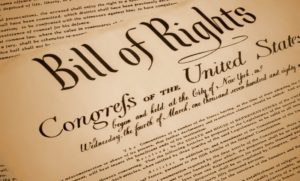
The White House seeks public input on a “bill of rights for an automated society.”

Empathy in an Automated State
Increased use of artificial intelligence in public administration calls for efforts to give government a human touch.

Robots Reviewing Agency Rules
Scholar warns that using artificial intelligence to revise agency rules may compromise democratic ideals.

Algorithmic Decisions and Their Human Consequences
A Federal Trade Commissioner urges the agency to take action to prevent bias in computer algorithms.

How Will Health Care Regulators Address Artificial Intelligence?
Policymakers around the world are developing guidelines for use of artificial intelligence in health care.

State Regulation Fosters Autonomous Vehicle Development
State and local governments compete and cooperate to attract autonomous vehicle developers.

Collecting Information on Artificial Intelligence
Scholar advocates new research on current and emerging uses of advanced technologies.

Medical AI Regulators Should Learn from the Global Financial Crisis
In regulating AI in medicine, FDA should exercise care in implementing a principles-based framework.

Countering Bias in Algorithmic Hiring Tools
Regulators struggle to counter bias in hiring because algorithms reproduce existing inequalities.

How Artificial Intelligence Can Combat Climate Change
Scholar explains how regulators can use artificial intelligence as an effective tool for slowing climate change.

Responding to Deepfakes and Disinformation
Experts assess ways that regulation might respond to the problems of deepfakes and disinformation.

Using Artificial Intelligence in Administrative Agencies
ACUS issues a statement to help agencies make more informed decisions about artificial intelligence.