
The Administrative State at a Crossroads
Aaron Nielson discusses the forces driving changes in the administrative state.

Predicting Turbidity, Protecting Tap Water
Scholars analyze how the use of machine learning could reshape EPA drinking water standards.

Delegated Discretion is the New Deference
Scholar suggests that recent shifts in administrative law will matter less than critics fear and supporters hope.

Climate Denialism Dressed Up as Law
EPA’s attempts to reinterpret the Clean Air Act are detrimental to fighting climate change.

An Uncertain Future for Tax Regulation After Loper Bright
The unique history of tax regulation presents several possibilities for courts.

What Does the CFPB’s Mass Guidance Withdrawal Mean? Not Much
A federal consumer protection agency’s withdrawal of numerous guidance documents will have little legal effect.

Repealing Without Procedure
Executive orders to repeal rules and redefine “showerhead” contain a jarring assertion of presidential authority.

Ending EPA’s “Endangerment” Finding
Repeal of EPA’s endangerment finding on greenhouse gases faces hurdles and would threaten regulatory instability.

The Unsettling of Notice and Comment
The Trump Administration has invoked recent Supreme Court decisions to justify unraveling normal rulemaking procedures.

Administrative Deference and Regulatory Consistency
The end of deference to agency statutory interpretations will result in regulatory inconsistency.

Legislative Primacy
President Trump’s recent executive orders challenge Congress’s role in creating policy.
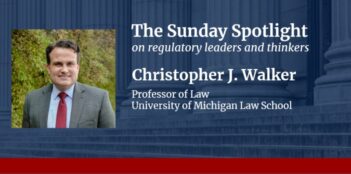
Judicial Constraints on Agency Action
Christopher J. Walker discusses how developments in administrative law doctrines could constrain agency action.