

Democratizing Control Over Energy Data
Scholars propose policies to improve transparency and accountability in the energy system.

No Consensus on the Public Interest in Utility Regulation
The public interest is the foundation of utility regulation, yet regulators cannot agree on how it should be defined, measured, or fulfilled.

The Importance of Clear and Consistent Climate Policy
Scholars discuss how unsettled climate policies reduce international trade and foreign direct investments.

How Performance-Based Regulation for Utilities Can Go Wrong
Regulators must be aware of the challenges to performance-based regulation to avoid harming public interests.

The Energy Costs of Cryptocurrency
Scholar proposes legal solutions to regulate cryptocurrency mining’s energy consumption in a climate-friendly way.

President Trump’s Pretextual Justifications for Raising Tariffs on Canadian Energy
The President’s concern about trade partners’ “cheating” is an insufficient justification for the tariffs.

Reliable and Climate-Friendly Electricity Markets
Scholar argues that outsourcing electricity market design hinders government climate and reliability efforts.

Powering Up U.S. Nuclear Energy
Scholars discuss the role of nuclear power in the U.S.’s clean energy transition.

Is Hydrogen Energy Key to Solving the Climate Crisis?
Scholars disagree on whether hydrogen is a viable replacement for fossil fuels.

Week in Review
The Supreme Court temporarily blocks termination of the Title 42 policy, the FTC commences review of environmental marketing guidelines, and more…

New York Clean Energy Goals Finally Show Promise
Modifications to New York State’s clean energy laws cleaned up the New York City grid.
Avoiding Unduly Concentrated Clean Energy Markets
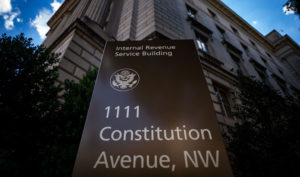
The IRS will need help to avoid unintended adverse effects in implementing the Inflation Reduction Act’s clean energy provisions.