
EPA’s Repeal of the Endangerment Finding Will Cost Society
EPA’s lopsided focus on regulatory costs ignores the much larger forgone benefits and the law.

The Evolution of Environmental Regulation
Lisa Heinzerling discusses recent developments in environmental law and regulation.

EPA’s Problematic Case for Rescinding Its Endangerment Finding
EPA’s decision to retreat from regulating greenhouse gas emissions runs contrary to law.

The Opposite of Smart Regulation
The federal government is moving backwards in its regulatory analysis and decision-making.
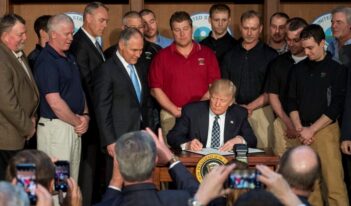
Benefit-Cost Analysis Under Threat
The Trump Administration is underweighting the value of human health in benefit-cost analysis.

Valuing the Benefits of Reducing Fine Particles
EPA’s new rule fails to reform the agency’s methods for calculating benefits when regulating particulate matter.
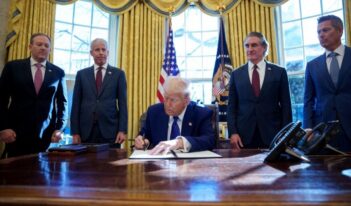
Valuing and Devaluing Regulatory Benefits
The Environmental Protection Agency’s decision to decline to monetize effects from air pollution prompts reactions by regulatory experts.

The Silent Ethylene Oxide Emergency
OSHA’s outdated standards endanger American workers by failing to limit ethylene oxide exposure.

EPA, Pesticides, and Children’s Health
Scholars argue that regulators have failed to protect child health under pesticide control law.

Predicting Turbidity, Protecting Tap Water
Scholars analyze how the use of machine learning could reshape EPA drinking water standards.
Consulting Governments in Regulatory Policymaking
ACUS recommends best practices for federal agency consultation with tribal, state, and local governments.

EPA Proposes Rollbacks to Chemical Regulation
A proposed rule seeks to reverse recent changes to the procedures EPA uses to conduct risk assessments of toxic chemicals.