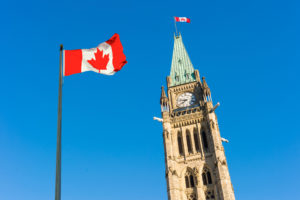
Can Canada School Trump on Regulatory Reform?
As Trump takes aim at regulation, Canada’s experience with regulatory budgeting offers a possible template.
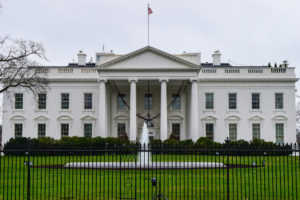
Unraveling Trump’s “Two-for-One” Regulatory Reform Plan
Scholar considers how costs and benefits might be calculated under a regulatory offsets system.

Inside Agency Class Actions
Most agencies enjoy authority to aggregate cases and would benefit from doing so, but very few actually do.

The Regional Reality of Federal Regulation
Penn Law students learn about adjudication and regional enforcement of regulations.

Cost-Benefit Analysis and Social Welfare Functions
Cost-benefit analysis has become a routinized part of policymaking. Probing what justifies this methodology helps us to see how it might be improved.
Independent Regulatory Agencies Are Not Likely to Be Part of President Obama’s Midnight Rulemaking
A recent report suggests that unlike executive agencies, independent agencies get to continue dancing right past midnight.
Quantitative Models Predict Historic Obama Midnight Surge
Research forecasts a substantial increase in economically significant rules that would outpace that of the past three presidents’ final months.

OMB’s Resource Management Offices and Agency Policy Control
Now is a good time to focus on the opportunities for the centralized control of the administrative state that the RMOs provide.

Rethinking the Compliance Curriculum
Compliance classes should differ depending on students’ career paths and types of risks the class addresses.

A Different Approach to Teaching Regulatory Law and Policy
Addressing how policy and law influence regulation is a critical—and overlooked—part of regulatory curriculum.

Designing a Broader Regulatory Practice Curriculum
Law schools need to create a comprehensive curricular path for students who are pursuing regulatory careers.

Innovations in Teaching Regulatory Law
Legal scholars present new ways to teach students regulatory law against the backdrop of an expanding regulatory state.