States are empowering private enforcers to profit from seizing homes and cars.
Every year, many Americans lose their cars, their homes, or their savings to companies they never chose to do business with. These are not banks or creditors. They are parking enforcement operators, homeowners’ associations (HOA) management firms, self-storage companies, and private towing contractors.
What they share is a business model built on collecting fees for alleged violations of the private rules they write and enforce. And because state law gives them access to some of the most coercive legal tools available outside a courtroom, including vehicle seizures, property liens, and foreclosures, they can act with little oversight or accountability.
For people targeted by these businesses, the consequences are severe. Towing companies can seize, impound, and sell the family car, cutting off a family’s ability to get to work or take children to school. HOAs can impose fines, place liens on homes, and start foreclosure proceedings, wiping out decades of accumulated equity. Given the power these companies wield, many people pay money they do not have to satisfy charges they frequently do not owe.
These situations are policy failures, and they demand a public policy response. State lawmakers, regulators, and advocates should prioritize laws that limit the power of private managers to write rules, enforce them, and profit from alleged violations.
Limiting the power of these private enforcers will not be easy. In Colorado, where we at the Community Economic Defense Project live and work, they have carved out a large and growing market niche. Over the last ten years, the private enforcement industry in Colorado has disrupted life for thousands of families.
In 2022, we witnessed a dramatic increase in towing-related evictions following a private equity roll-up of nonconsensual towing in mobile home parks and multi-family housing. Investors reportedly combined multiple towing companies with parking lot surveillance services, an impound yard, and a vehicle auction house, allowing them to designate when vehicles could be towed, perform the tow themselves, impound vehicles, and sell them through their auction house or dealership if payment was not received, earning money at every stage of the process. Through deals with large residential property owners, their company, interchangeably known as Summit Vehicle Solutions, 3T Holdings, or Wyatts Towing, was reportedly able to target vehicle owners where they were most vulnerable: when they were parking at home.
Summit Vehicle Solution’s consolidation of towing and parking lot management was made possible by Colorado law. Nonconsensual towing rates, set by the Colorado Public Utilities Commission (PUC), included inflated cost-estimates and generous profit margins for towing companies. Towing operators were granted a possessory lien in every vehicle they removed, guaranteeing them payment. Building owners were allowed to assign parking lot management and enforcement to third parties. Vehicle owners who believed a tow was invalid could sue or file a complaint with the PUC, but in most cases, the towing company could sell the impounded vehicle long before either remedy ran its course.
Meanwhile, towing insiders played a significant role in industry regulation. The CEO of Summit Vehicle Solutions and Wyatts Towing reportedly chaired Colorado’s Towing Taskforce, a quasi-regulatory body that advised PUC staff on rate setting and complaint resolutions. His business partner, one of the lead investors in the scheme, reportedly sat on a state judicial nominating commission.
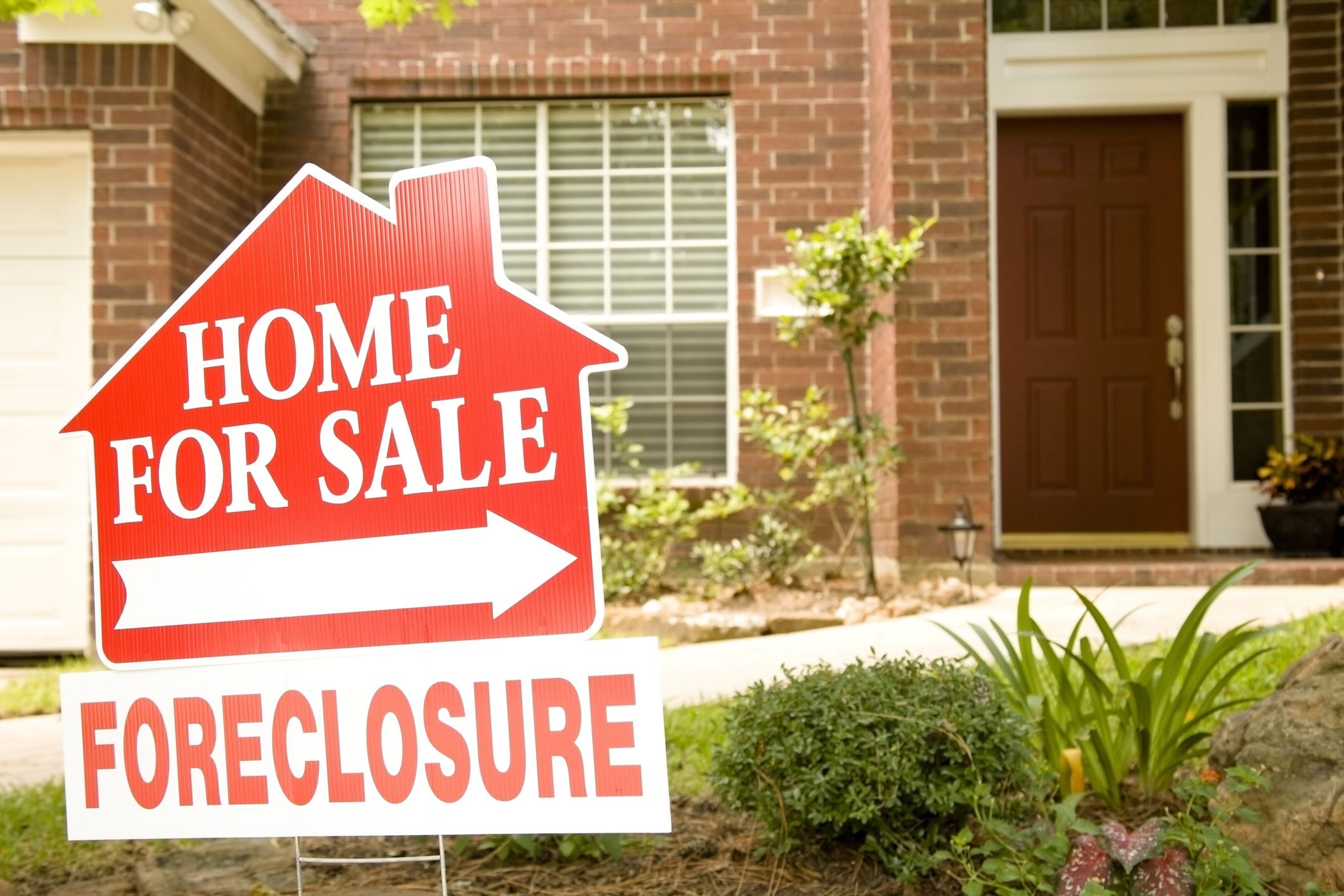
Summit Vehicle Solutions is not an anomaly. The parasitic economics that drove its business model also appear in the property management companies that administer many Colorado HOA communities. In 2020 and 2021, Denver media reported on a historic number of home foreclosures in Green Valley Ranch, including some of the city’s affordable housing units. The HOAs that govern Green Valley Ranch reportedly empowered private management companies to write and enforce rules, assess fines for noncompliance, and initiate foreclosure proceedings in against homeowners.
The law firms and property management companies representing the Green Valley Ranch HOAs reportedly filed foreclosure actions based on violations as minor as failing to pay fines for trashcans left at the curb for too long. Many of these fines and late fees initially totaled less than $10,000. Because auctions were poorly publicized, homes valued at over $400,000 were sold for as low as $5,000. Residents unable to pay these fines, or who were unrepresented, lost their homes and a lifetime of equity.
Mass foreclosure in Green Valley Ranch shifted millions in family wealth to property management companies, their attorneys, and the insiders savvy enough to navigate the Denver County auction process. This devastating wealth transfer was abetted by the laws, rules, and processes that govern common interest communities and judicial foreclosure in Colorado.
Prior to 2022, Colorado law granted HOAs broad powers to write and change rules, assess potential violations, and impose fines. There were very few rules governing the assessment of late fees, nonpayment penalties, or other charges. Foreclosures could be initiated at almost any time, for almost any unpaid balance, with uncapped attorney’s fees shifted to homeowners and secured via a lien on their home.
Through agency agreements with private for-profit property management companies, HOA boards granted these powers to private actors with strong incentives to impose fines and seize properties. Auction processes, governed by state law and county rules, permitted publication of the notice of sale in small circulation press, allowed for single bid auctions, and permitted homes to be sold with reserve prices set at less than 10 percent of a home’s value.
Towing and HOA management are two examples of private governance regimes that align rules enforcement with profit seeking. Self-storage facilities, mobile home parks, and even some toll roads operate under similar frameworks. If states and cities are serious about protecting consumers, renters, and homeowners, they need to stop treating these harms as isolated disputes and start regulating private enforcement as the coercive business that it is.
There is nothing more consequential in the economic life of a family than losing a car or a home. Simple changes to state laws or administrative rules can dramatically change outcomes for people subject to aggressive private enforcement regimes.
First, states should sever the connection between identifying rules violations and making money. If state law allows you to direct enforcement, you should not be able to collect a fee for doing so. Agency agreements that delegate enforcement power to third-party managers and allow them to make money on a per-violation basis should be prohibited. In Colorado, a recent bill moved in this direction by requiring landlords, rather than towing companies, to authorize nonconsensual tows.
Furthermore, fines associated with alleged violations should not be secured by the very property people depend on to live and work. A dispute over parking, landscaping, or an administrative charge should not become the basis for foreclosure, repossession, or forced sale. At a minimum, debts arising from private rule enforcement should remain unsecured.
If the law does allow property to be seized and sold, it should not allow the same companies that generate the debt to control the sale. Private enforcers should not be allowed to own auction houses, direct auction processes, or steer seized assets to affiliated buyers. And any sale process should be designed to produce something close to fair market value, not fire-sale prices that transfer wealth from families to enforcement insiders.
States also need meaningful administrative oversight with real consequences for predatory enforcement. People should not have to wait months or years for a complaint to be heard while their car is sold, their debt escalates, or their home moves toward foreclosure. And when companies engage in unlawful or abusive enforcement, the penalties should be severe enough to change behavior, not to amount to a modest cost of doing business.
Finally, states should take seriously the dangers posed by consolidation in private enforcement markets. Companies should not be allowed to dominate multiple stages of the enforcement chain at once: writing rules, identifying violations, towing or seizing property, warehousing it, auctioning it, and reselling it. That kind of vertical integration magnifies conflicts of interest, reduces transparency, and makes abuse more profitable.
None of this is abstract. These are not distant problems confined to a narrow corner of administrative law. They shape whether a parent can get to work, whether a family keeps its home, and whether years of hard-won savings and equity survive a moment of financial distress. In that sense, aggressive private enforcement may be more immediate in its effects than a merger, a hidden fee, or a predatory contract term. It reaches people where they are most captive and hits what they can least afford to lose. That is exactly why lawmakers and regulators should treat this problem with the seriousness it deserves.