
Learning What Works in Regulation
ACUS recommends agencies take steps to study the impacts of their rules.

Using Plain Language to Draft Regulations
ACUS recommendation offers suggestions for making the language of agency documents more accessible.

Understanding and Addressing Controversies About Agency Guidance
Experts weigh in on recent report and ACUS recommendation on agency guidance.

Five Recommendations for Improving Administrative Government
Scholars and officials highlight recent recommendations for improving regulatory and administrative processes.

The Sunshine Act and Transparency at the FCC
New practice of releasing drafts of proposed actions enhances the public’s understanding of agency actions.

When Federal Agencies Do Not Answer to Courts
Scholar examines how agencies operate independently of courts through rulemaking and legislative drafting.
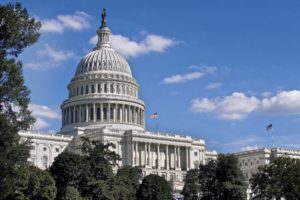
The Regulatory Accountability Act Is a Model of Bipartisan Reform
Recent bill would provide much-needed change to the most prominent source of U.S. administrative law.

A Good Effort, with One Glaring Flaw
Regulatory reform bill’s requirement of oral evidentiary hearings for rulemakings may prove to be ineffective.

Inside Agency Class Actions
Most agencies enjoy authority to aggregate cases and would benefit from doing so, but very few actually do.

Should the Education Department Hear Class Actions when Colleges Collapse?
The agency’s proposal to streamline student loan forgiveness claims is laudable, with its potential for a fairer, more efficient process.
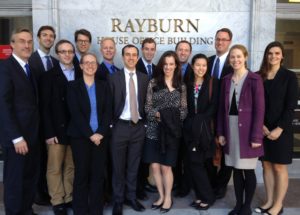
An Education in Regulatory Reform
Penn Law students met with experts in Washington to discuss proposals for reforming the regulatory process.

The Regional Reality of Federal Regulation
Penn Law students learn about adjudication and regional enforcement of regulations.